

Relief could be on the way for a program helping Minnesotans struggling to pay certain utility bills. Groups behind the idea said it offers short-term solutions for soaring energy costs, along with long-term strategies.
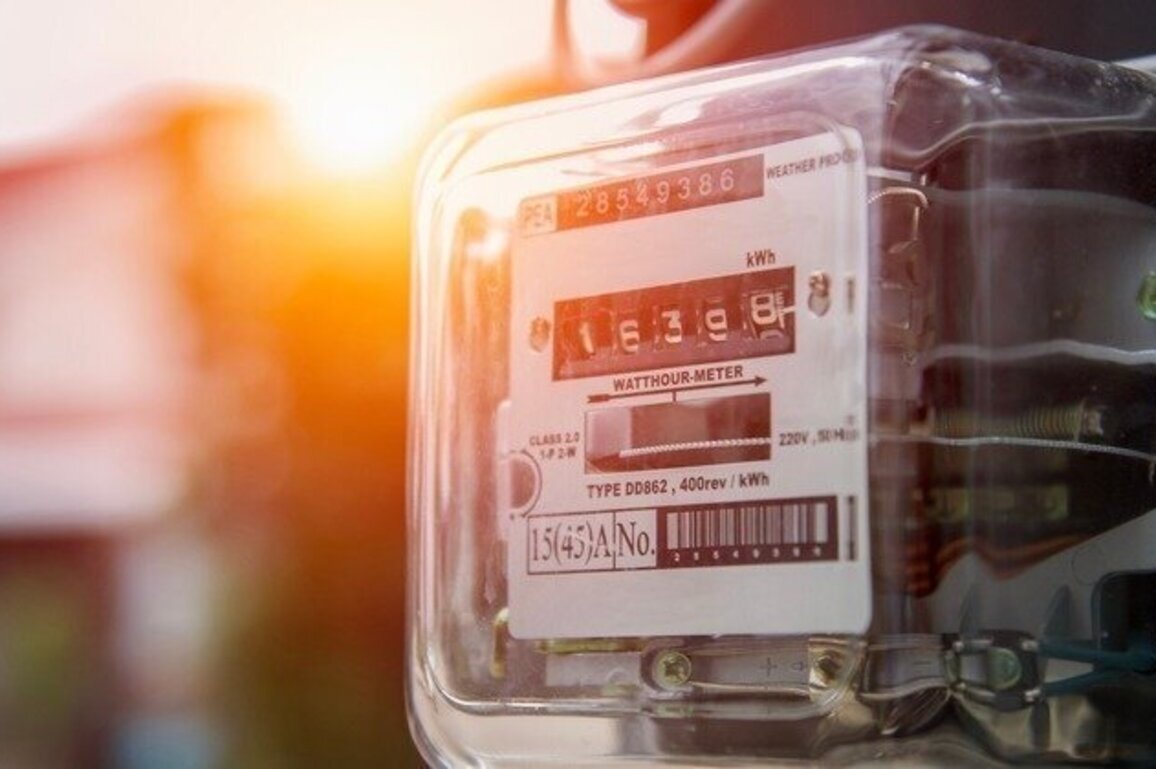
The Minnesota Legislature is considering a $15 million emergency aid package to bolster the state's energy assistance program. It distributes federal funds to help eligible households cover their monthly heating and electricity costs.
Maggie Schuppert, director of strategic initiatives for the rural-centric nonprofit CURE, said the timing of the supplemental aid is important, with Minnesotans now behind on electricity and natural gas bills by as much as $145 million.
"They're funds that address a really immediate need for people who are in crisis because they can't pay for their electricity or their heating bills," Schuppert explained.
In addition to crisis grants, the bill expands outreach by local partners to connect with more qualifying ratepayers. It is estimated only one in four eligible households receives help from the program.
Supporters said it would extend coverage to cooling seasons so those vulnerable to price hikes are not left behind in the summer. Policy experts said it is hard to predict if the plan will clear all its legislative hurdles.
Annie Levenson-Falk, executive director of the Citizens Utility Board of Minnesota, said utility shutoffs in the state are higher than ever, and they happen more often in the spring and summer when the state's Cold Weather Rule is not in effect. She noted it means many people need to catch up on past heating bills, and any extra help removes some of the pressure. Collectively, she cautioned basic needs are getting further out of reach.
"I think it's the result of the compounding pressures of increases in the cost of housing and groceries and medical expenses and every part of the family budget," Levenson-Falk observed. "We're seeing the impact on the energy side."
The board said monthly energy bills in Minnesota are rising slower than the national average but Levenson-Falk added it will be difficult to limit future effects amid changing federal priorities which emphasize fossil fuels.
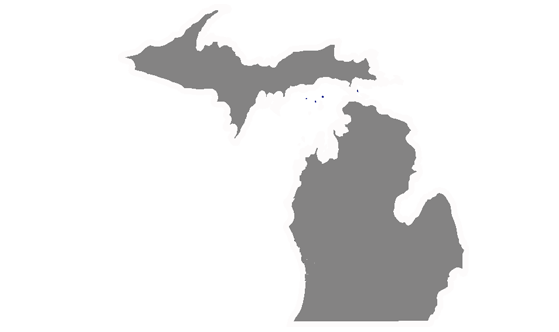
New filings from Consumers Energy show Midwestern households are on the hook for $180 million as the Trump administration pushes to keep a Michigan coal plant open. The White House said such a move helps with power grid reliability.
Source: Public News Service