

By Alyssa Burr for the Michigan Independent.
Broadcast version by Chrystal Blair for Michigan News Connection reporting for the Michigan Independent-Public News Service Collaboration
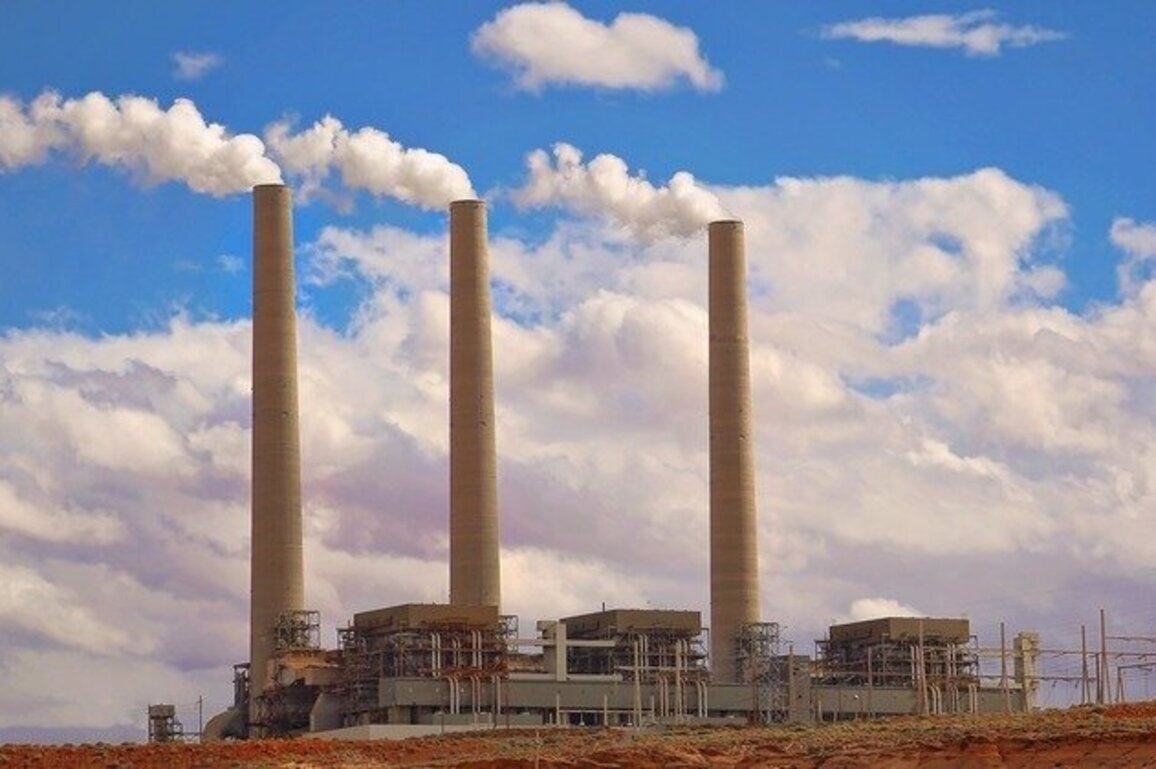
A week before the J.H. Campbell coal-fired plant in West Michigan was set to be retired on May 31, 2025, President Donald Trump’s administration issued what was supposed to be a temporary 90-day emergency order to keep the plant running.
Nearly a year later, the Department of Energy has renewed that order three times, drawing criticism from environmental advocacy groups and community activists who say the plant is harming residents’ health and finances. The 64-year-old plant, located in West Olive, is now slated to remain online through May 18 of this year.
“They’re costing ratepayers in Michigan and across (the Midcontinent Independent Systems Operator), millions of dollars, tens of millions of dollars, and they are forcing the continued operation of a coal plant that’s harming nearby communities with various emissions of air toxins that cause all sorts of health problems,” Greg Wannier, a staff attorney with the Sierra Club environmental organization, told the Michigan Independent.
To keep the plant open, Department of Energy Secretary Chris Wright claimed authority under section 202(c) of the Federal Power Act, which authorizes the energy secretary to order the temporary operation of power plants to ensure grid reliability in times of war or extreme weather events. Wright’s Feb. 17 order cites the risk of energy shortfalls in the face of rising demand for electricity, particularly given the growth of new AI data centers.
Consumers Energy, the Michigan utility that operates the Campbell plant, announced its closure in 2021 as part of a stated proposal to stop using coal as a fuel source for electricity by 2025. The Michigan Public Service Commission approved the retirement following regulators’ planning to ensure that alternative energy sources would adequately replace the plant’s energy production. It was estimated that winding down the plant would save ratepayers $650 million by 2040.
The J.H. Campbell coal plant is one of six fossil-burning power plants in five states that the Department of Energy is keeping open using emergency orders. To date, the total cost to consumers to keep these plants online is $281,724,638, according to the Sierra Club’s online tracker.
“The coal plants that were slated to retire were slated to retire for a reason. It’s because they were very expensive, very old, and could not continue operating without major investments of capital,” Wannier said.
Due to the costs of keeping the Campbell plant open far past its planned expiration date, the utility is seeking approval from the Federal Energy Regulatory Commission to pass approximately $42 million in costs stemming from the first extension on to utility customers in their electricity bills. The cost share will be spread across consumers in the Midcontinent Independent Systems Operator’s northern and central service region, which includes 11 states and one Canadian province. Financial losses from the subsequent extensions are expected to also be passed on to ratepayers.
Several environmental rights groups and Michigan Attorney General Dana Nessel have submitted legal challenges against the Department of Energy’s directives forcing the continued operation of the J.H. Campbell plant. In December, the environmental rights groups, including the Sierra Club and the Natural Resources Defense Council and represented by attorneys from the environmental nonprofit law organization Earthjustice, filed a legal brief with the U.S. Court of Appeals for the District of Columbia Circuit in which they argued that the Department of Energy is acting outside its authority by using the temporary emergency law to address long-term grid reliability concerns.
“The Court can and should put an end to the Department’s continued abuse of its authority, which has imposed millions of dollars in unnecessary costs and pollution on residents of Michigan and the Midwest,” the brief reads.
While residents could soon begin to see the effects of the plants’ continued operation on their pocketbooks, studies show it has already taken a toll on their health.
The Campbell plant, situated along the shores of Lake Michigan, is one of the state’s top water and air polluters: A monitoring well near the plant read arsenic levels at almost six times the federal drinking-water standard in 2019. According to data from the Clean Air Task Force, a nonprofit organization devoted to reducing air and water pollution, 66 deaths, 17 heart attacks, and 141 asthma attacks annually are attributable to a combination of sulfur, nitrogen oxide, and carbon dioxide emissions from the Campbell plant.
“It’s a big polluter, and so people who live in that area suffer from that,” said Gavin McCabe, an attorney with the Natural Resources Defense Council.
Wannier pointed to Trump’s ties to the coal industry as a motivating factor behind his administration’s decisions to keep the plants open. Fossil fuel executives donated tens of millions of dollars to Trump’s 2024 reelection campaign and affiliated PACs, the Brennan Center for Justice reported.
The latest extension to keep the Campbell plant online was issued days after the Trump administration overturned the Environmental Protection Agency’s landmark finding that greenhouse gases are a threat to public health. In February, the administration also announced new funding “to expand and reinvigorate America’s coal fleet,” and Trump signed an executive order directing the Department of Defense to procure electricity from “beautiful clean” coal.
“Really the main beneficiaries of all of this are the coal mining executives whose market for coal is basically being propped up by this administration,” Wannier said.
The plant has been a source of contention among members of the West Michigan community where it stands. On the heels of resident pushback and months before the Department of Energy issued its first order, the Ottawa County Board of Commissioners approved a resolution in February 2025 asking state regulators to reconsider the plan to shutter the Campbell plant. Most recently, at a board of commissioners meeting following the latest Department of Energy order issued in February, Park Township resident Bob Hamilton urged commissioners to reconsider their resolution and requested they call for the Michigan Public Services Commission to retire the plant.
“I’m making this request for two reasons. First, and for me probably least important, is the continued operation of that dinosaur is exacting a needless financial burden on your constituents,” Hamilton said. “The second reason is far more personal. Late in life, I was diagnosed with asthma, which, I have come to learn, can be life-threatening. With the closing of Campbell, I was looking forward to breathing cleaner air and suffering fewer bouts of asthma. Now, because of the resolution from February 2025, I will continue to needlessly suffer from the immediate and long-term health consequences of that decision.”
Alyssa Burr wrote this article for the Michigan Independent.
Source: Public News Service